Smart Collectors Avoid This AI Art Mistake
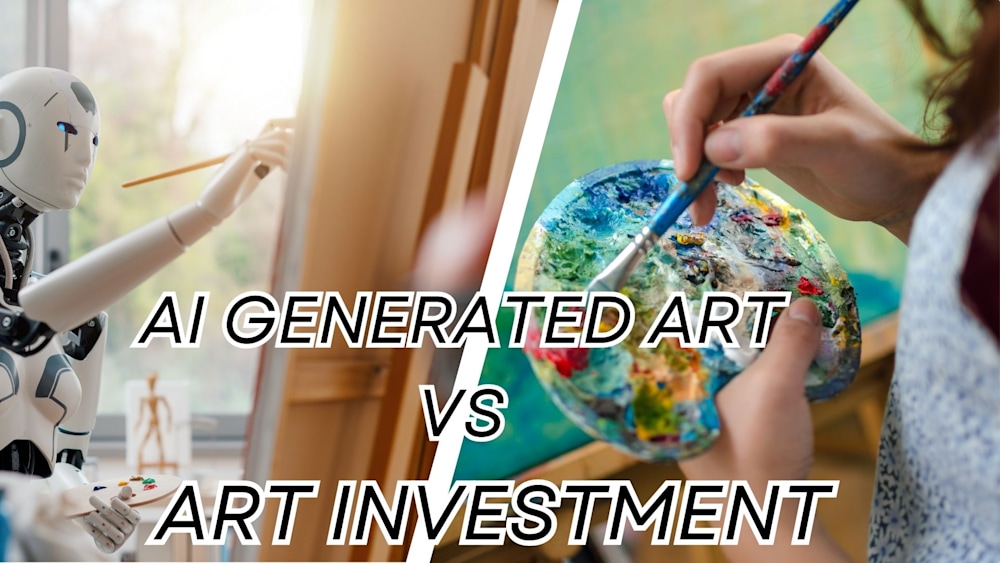
"In a world flooded with trends and tech, one timeless truth stands tall: original art holds its value — and then some. While headlines swirl around NFTs and AI-generated images, the real numbers are quietly telling a different story. Over the past 30 years, fine art has appreciated at an average of 11.4% annually, outpacing even the S&P 500. That’s not hype — that’s hard data. Yet, as algorithms begin to dabble in creativity, a critical question emerges: can machines make meaningful art? The market — and seasoned collectors — seem to think not. Beyond the buzzwords and auction headlines lies a fundamental truth about value: it’s rooted in rarity, intention, and human connection. And when it comes to investing in art, those qualities are non-negotiable. "
Your portfolio needs gold. The art market just proved where to find it.
Art appreciated 11.4% annually over the past 30 years. That beats the S&P 500's 10.0% return and demolishes real estate's 3.9%.
But here's what the numbers don't tell you about AI art.
The legitimacy problem runs deeper than aesthetics. 76% of people don't consider AI art legitimate. Even more telling, 70% of professional artists believe AI cannot match human emotional depth.
This sentiment shapes markets. Investment value flows from scarcity, authenticity, and cultural acceptance. AI art struggles with all three.
Consider the scale difference. While one AI painting sold for $432,500 at Christie's, AI art represents just 5% of the contemporary market by 2025. That's not disruption. That's a niche.
The scarcity principle explains everything.
Original art cannot be reproduced. Each piece exists once, created by one human at one moment in time. This fundamental limitation drives value appreciation across decades.
AI art faces the opposite problem. Every prompt can generate infinite variations. Every model can create endless outputs. Unlimited supply crushes investment potential.
Smart money recognizes this distinction. Ultra-high-net-worth individuals allocate 11% of portfolios to art and collectibles. That allocation targets original works with proven provenance and cultural significance.
The professional resistance adds another layer. 55% of artists believe AI will hurt their income. This creates market friction that limits AI art's institutional acceptance.
Meanwhile, traditional art maintains its uncorrelated performance. Unlike bonds, gold, or housing, art moves independently of other asset classes. This diversification benefit compounds over time.
The investment thesis crystallizes around human intention. Original art captures specific moments of creative decision-making. Each brushstroke represents choice. Each color selection reflects judgment.
AI art lacks this intentionality. Algorithms optimize for pattern recognition, not meaning creation. The difference matters to collectors who view art as cultural investment.
The market has already decided. Original art delivers superior returns, maintains scarcity value, and earns institutional respect. AI art offers aesthetic novelty without investment substance.
Your portfolio strategy should reflect this reality. Original art remains gold. AI art remains speculation.